Finance Minister Fabian Meyer, who took office last week, has announced that the government is to bring forward major new legislation on the country’s energy network as part of its updated infrastructure and economic plan. The former Foreign Minister said that he and Prime Minister Serbin considered their party’s pledge to deliver energy independence as a ‘critical’ part of its policy package, which will be unveiled in the lower and upper houses throughout the next few weeks. The pledge formed a key part of the party’s campaign in 2018, led by then-Foreign Minister Asta Dahn, but a lack of progress in its delivery has dogged the government over the past two years.
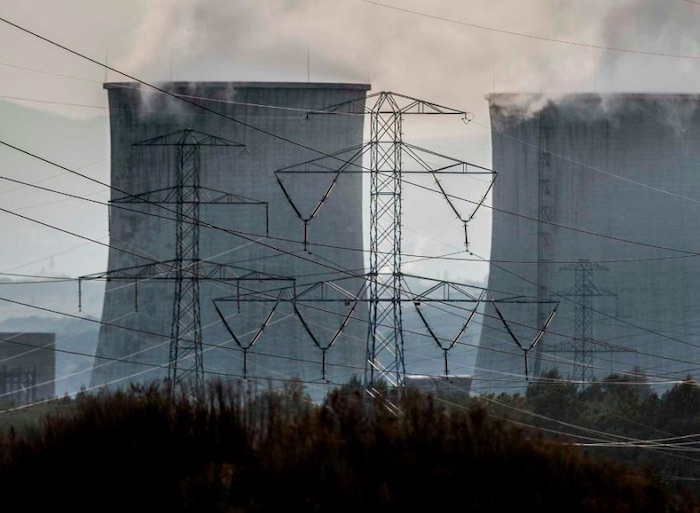
Energy reform has long been a controversial issue for the Coalition, which has attempted to sell most of Polasciana’s energy network, including distributer Power4, on a number of occasions but has been repeatedly blocked from doing so by Unionist opposition. Whether Mr Serbin and the Finance Minister expect to continue that same policy has not been made clear, but Mr Meyer said it remained a ‘major priority’ to ‘make honest the promise given to the country that Polasciana will be energy independent by 2023’ for the party. “The policy of energy independence remains critical to the government’s agenda, and new legislation will be brought to this effect over the next few weeks as the Prime Minister releases more information about his domestic policy and economic plan. We are clear that there is no room for compromise on a key part of this government’s contract with the people and we intend to keep that pledge” said Mr Meyer speaking to the media earlier today.
The government came under heavy criticism in February when former Prime Minister Dahn appeared to water down the party’s commitment on the policy – a key reform which has been a staple landmark of Centrist campaigns since 2003. An expansion of oil exploration in Olkshoi and the reopening of coal mines in northern states by former President Artamova moved the dial on the country’s independent energy capability and increased internal production substantially between 2011 and 2014, but the reintroduction of some environmental regulations after they timed out and new working practises promised by President Tattar has slowed growth – with the national energy provider saying that Tattar’s landmark policy of a minimum wage guarantee for workers has stifled its ambitions and is creating a large deficit in its funding. The signing of a trade deal with neighbouring Carentania at the beginning of the year also stoked fears that Dahn and Tattar had agreed to row back on establishing an independent energy network by 2023, so much so that Dahn faced protests and was attacked with paint by activists.
Former Energy Minister Ada Mantel, who had been in the role since 2012, spoke to the media today having left government last week saying she had attempted several times to negotiate a compromise between the two party’s to enable an agreement to move forward, but that none had been forthcoming. “Since 2012 we have tried to develop a shared way forward on energy; but this has not been easy. The Coalition has repeatedly prioritised trying to balance jobs and growth with environmental and workers protections, but this has delayed the government from being able to meet its commitments on independence. The majority of the country’s energy still comes from abroad – it is a big gap to get that to 0% by 2023, particularly when you factor in the new agreement in the Long Sea [the trade deal with Carentania]” she said in an interview earlier this afternoon.
The government is expected to announce further details in the coming days; with Meyer bringing legislation to the lower house and new minority leader Adam Zuvivic steering the policy through the Council.