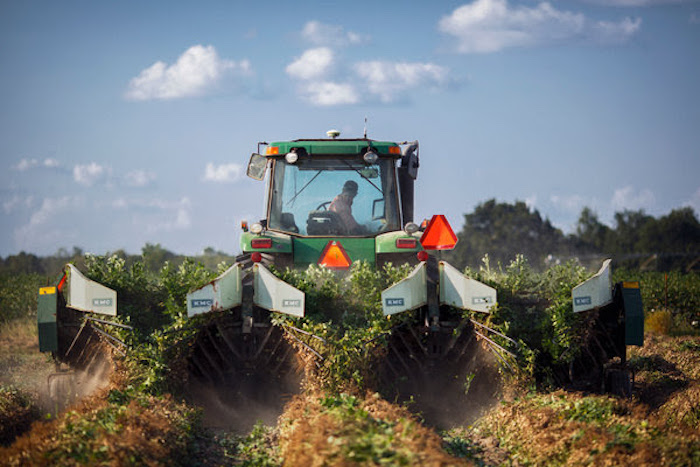
A substantial increase in economic activity has been attributed to rising exports across Polasciana’s farming sector and a boost in tourism, according to the government. Releasing a revised economic forecast to the Federal Executive earlier this morning, Finance Minister Arnold Lippman said that due to “rapid increases in national output” he believed the government’s planned increases in public spending – and in particular those related to infrastructure projects – “will be cost neutral”. Mr Lippman, thought to be at risk of losing his job in a government reshuffle due in the next month, attempted to shore up his position by making repeated references to the country’s “economic recovery over the past two years” – a pointed statement designed to draw attention to the decisions he, and former Prime Minister Asta Dahn, have made since taking office in 2018 and in steering the country’s finances.
“The implementation of the debt cap is not affecting the country’s position – in fact, this has been entirely offset by the benefits seen already of League [The Gallian and Centrican League] membership, where farming exports and increased ease in tourism have boosted the economy” said Lippman, highlighting a report out today from his ministry which projects the country will return to growth levels of 3-5% by the end of the year. “We will see growth figures of some 2.9% by the end of the month, with this continuing to grow before peaking at 4.2% by the end of the year, this is unprecedented in the past ten years and will return the country to levels of economic output last seen prior to the 2007 Gallian Slowdown and the 2008 Global Economic Crash” he added. The debt cap, which became law in 2009, sought to force the government to implement spending restraints at a level of 1.5% annual growth. Breaching the cap for the first time in April, Ms Dahn’s last act as Prime Minister saw the government bring forward its implementation plan – with spending restrained in two key areas of public wages and military spending.
Opposition figures, including Nationalist leader Alexei Sukhorukov, however poured cold water on the government’s statement, saying that the economic position of the country had “not significantly or materially improved” for “most people”. “The simple truth is what the government is talking about is financial numbers on spreadsheets in Karasicena, rather than real economic benefits that are being seen across the country” said acting Unionist leader Dmitry Kreshnenvo in response to Mr Lippman in the lower house earlier today. “He can spin what he likes, but the facts and numbers speak for themselves and it is now in black and white; League membership is not helping our country move forwards – this is the evidence. Our agriculture industries were driving economic performance well before January [when Polasciana acceded to League membership] and the government knows as well as anyone else that at the moment our membership is not inclusive of all farming produce. This is a web of lies being spun by a finance minister desperate to cling to his job” added Mr Sukhorukov in a fiery exchange.
Economists however largely supported the government’s report; saying it was ‘clear and obvious’ that Polasciana’s membership of the League was contributing already to driving economic growth, and in particular was stimulating the economy based on growing confidence and expected capacity and capability increases over the next year as the country fully adopts all elements and requirements of membership by January 2021.