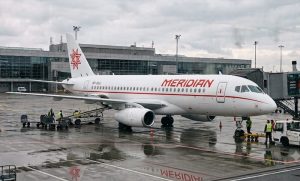
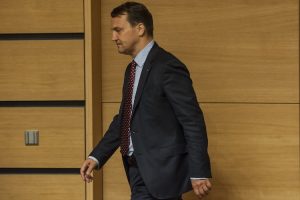
Prime Minister Krill Serbin has arrived in Alta, the capital of the Centrální Republika, for his first public foreign visit for more than a year. Part of a wider tour of the Meridian, the government is hoping to use several planned engagements to reaffirm Polasciana’s influence in the territory and deepen relationships in key capitals, as well as with its Gallian and Centrican League partners.
Most significantly however, Serbin is expected to spend most of his time in the Central Republic with government officials and his counterpart, Ionel Lisnic, in discussions centering on the controversial Ystak automobile manufacturing deal signed between the two countries in 2022. The two parties are seeking to resolve a dispute and head off an investigation launched by the League into the deal, which it claims undercuts Gallian car manufacturers and breaks an agreement set as part of Polasciana’s accession to the bloc – which limits the country’s ability to import cheaper models from its eastern border. Alta, which is in what has been referred to as an ‘extended dialogue’ about joining the League, risks the agreement being a potential blocker to its own accession. Key talks are being held next week to set a definitive timeline for the transition nation’s membership, with its leadership therefore pushing for a compromise arrangement on the question of the Ystak deal “as soon as possible”.
The eastern car manufacturer is a major contributor to the Central Republic’s economy – and the deal with Polasciana, seeing almost two million units produced over a three year period, was a major landmark for the state backed enterprise. Polasciana has long failed to establish a domestic auto market, instead relying on imports from its neighbours. The deal with Ystak therefore reduces levies, making it easier for the Centrální Republika company to import a higher volume of vehicles, and secured the signing of a ‘co-production’ arrangement, which would see Polascianan manufacturers able to build certain models of cars domestically on license. The deal was branded “unacceptable” by the League and, in particular, Wiesereich which says its own suppliers are unfairly impacted and disadvantaged. According to their interpretation, such an agreement breaks the accession terms on which Polasciana joined where the country signed up to set limits on manufactured imports from outside of the League, including automobiles, and the assistance that can be offered by governments in supporting domestic industries. Gouw Marken swiftly opened an investigation and has since threatened legal action – as well as adopting rhetoric that would signal the deal being seen as a significant challenge to Alta’s own accession discussions.
The domestic political situation in Polasciana has distracted Karasicena from any real engagement on the issue for some time, but now with the Centrální Republika facing calls to resolve the dispute swiftly to unlock its own aspirations to join the bloc, the Prime Minister is coming under increased pressure to agree a revised deal. The latest proposal being considered, which is expected to be discussed in Alta over the next few days, is that the production totals and licenses would be ‘phased’ over a number of additional years – reducing the figure below the annual cap imposed by the League, until the Republic joins the League, when numbers could be accelerated. While seemingly a simple change, Ystak is demanding compensation, saying that a revised approach would hit the company economically. Meanwhile, Gouw Marken has not speculated whether it would oppose or support such a move, but officials have said off the record that any cap on imports and exports, as well as domestic production rates, from and to the Republic would have to be negotiated as part of its own accession terms – which could hamper its plans, causing further economic fallout.
Serbin will also visit regional neighbours Scherbatskaya and Kalistan, seeking to extend Polasciana’s regional and economic interests. A one-day stop in Ribnica and Agra will be followed by a critical meeting in Wiesburg – where the Prime Minister will attempt to soften Wiesereich opposition to Alta’s League accession. The tour is expected to end on Saturday when Serbin, alongside Finance Minister Lena Zilberman, will fly to Gouw Marken to meet with Simon De Smedt, the bloc’s head.